Dcentralab
AI Agent Builder & API Index
Dcentralab builds tools for developers and marketers in the web3 realm. As a PM intern reporting to the Head of Product, I owned two distinct workstreams: building the AI Agent Builder from concept to UX-ready flows, and defining the pricing strategy and page for a new API feature added to the existing platform — including the GTM plan for launch.
Dcentralab builds tools for developers and marketers in the web3 realm. As a PM intern reporting to the Head of Product, I owned two distinct workstreams: building the AI Agent Builder from concept to UX-ready flows, and defining the pricing strategy and page for a new API feature added to the existing platform — including the GTM plan for launch.
Role | Product Manager Intern
Platform | Web
Team Type | Cross-functional (Product, Design, Engineering, Marketing)
Role | Product Manager Intern
Platform | Web
Team Type | Cross-functional
THE CHALLENGE
OUTCOME
For the Agent Builder: a product concept with nothing behind it - no structure, no flows, no UX decisions made. I had to define what the product was before designing it, with no resources for user testing.
For the API Index: an existing web data platform expanding into API access with no pricing model, no pricing page, and no go-to-market strategy. Both needed to go from zero to handoff-ready.
Both workstreams were delivered to handoff. The API Index launched and signed its first paying customers against the pricing model and GTM plan I defined. I had left the company before execution, what the team ran with was the strategy I handed off.
THE CHALLENGE
For the Agent Builder: a product concept with nothing behind it - no structure, no flows, no UX decisions made. I had to define what the product was before designing it, with no resources for user testing.
For the API Index: an existing web data platform expanding into API access with no pricing model, no pricing page, and no go-to-market strategy. Both needed to go from zero to handoff-ready.
WHAT I DID
THE CHALLENGE
Conducted independent competitive research across every accessible AI agent builder platform, compared features, flows, and UX patterns to inform structural decisions with no user testing budget available.
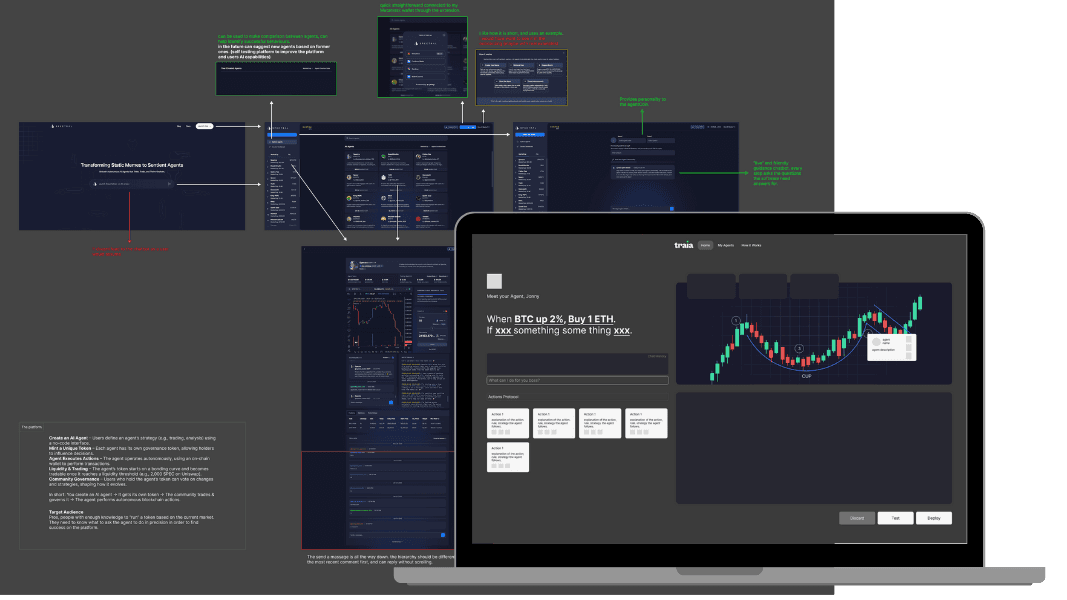
Defined the Agent Builder from scratch: product structure, UX architecture, and flow decisions, then delivered lo-fi wireframes for the design team and full end-to-end flows for development handoff. Chose a single-page layout over multi-step after testing both, kept full configuration visible and reduced navigation overhead.
Co-authored the API PRD with the Head of Product: I owned product concepts, use cases, and UX decisions, he translated these into technical scope and architecture.
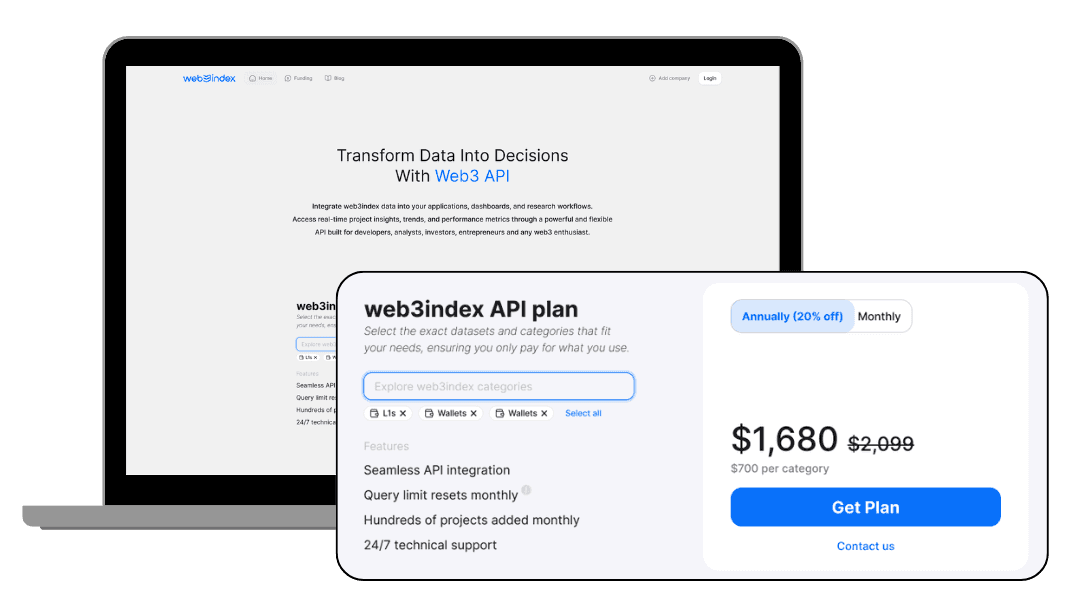
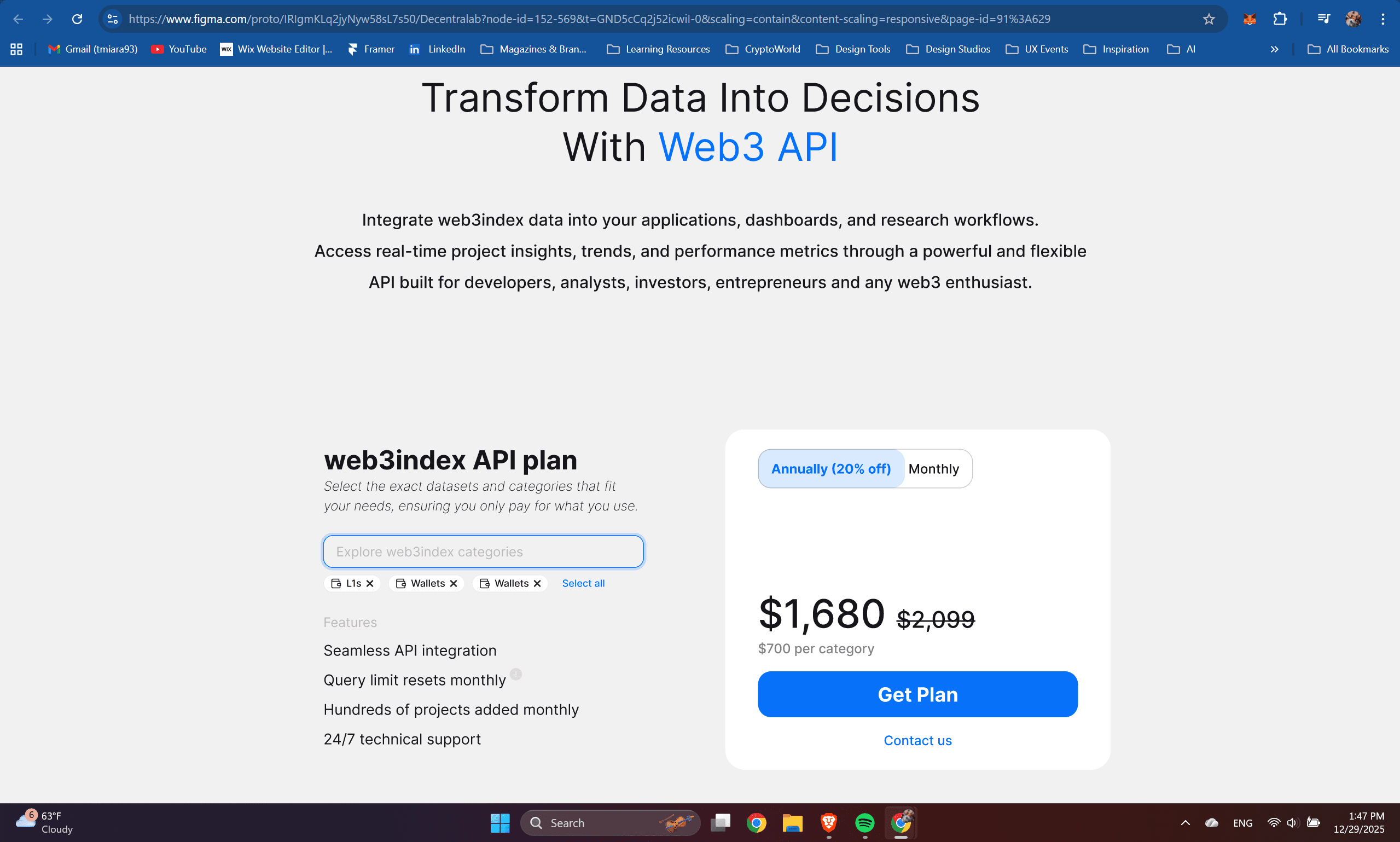
Designed the pricing model: one fully customizable plan priced by data categories selected, with a declining rate per additional category. Eliminated tiered plans to remove the cognitive load of choosing between packages — users pay for exactly what they need. Routed complex enterprise needs directly to the sales team.
Built the pricing page end-to-end to reflect the model.
Wrote the full GTM plan independently, then pressure-tested it with the Head of Product and marketing team to align on business goals, tone, and execution before handoff.
For the Agent Builder: a product concept with nothing behind it - no structure, no flows, no UX decisions made. I had to define what the product was before designing it, with no resources for user testing.
For the API Index: an existing web data platform expanding into API access with no pricing model, no pricing page, and no go-to-market strategy. Both needed to go from zero to handoff-ready.
WHAT I DID
Conducted independent competitive research across every accessible AI agent builder platform, compared features, flows, and UX patterns to inform structural decisions with no user testing budget available.
Defined the Agent Builder from scratch: product structure, UX architecture, and flow decisions, then delivered lo-fi wireframes for the design team and full end-to-end flows for development handoff. Chose a single-page layout over multi-step after testing both, kept full configuration visible and reduced navigation overhead.
Co-authored the API PRD with the Head of Product: I owned product concepts, use cases, and UX decisions, he translated these into technical scope and architecture.
Designed the pricing model: one fully customizable plan priced by data categories selected, with a declining rate per additional category. Eliminated tiered plans to remove the cognitive load of choosing between packages — users pay for exactly what they need. Routed complex enterprise needs directly to the sales team.
Built the pricing page end-to-end to reflect the model.
Wrote the full GTM plan independently, then pressure-tested it with the Head of Product and marketing team to align on business goals, tone, and execution before handoff.
OUTCOME
Both workstreams were delivered to handoff. The API Index launched and signed its first paying customers against the pricing model and GTM plan I defined. I had left the company before execution, what the team ran with was the strategy I handed off.
OUTCOME
Both workstreams were delivered to handoff. The API Index launched and signed its first paying customers against the pricing model and GTM plan I defined. I had left the company before execution, what the team ran with was the strategy I handed off.
LEARNING & REFLECTION
Competitive research is a legitimate design input when user testing isn't possible - but you have to be honest about what it can and can't validate.
Pricing is a UX decision. One flexible plan with a volume discount isn't just a business model - it removes a decision the user shouldn't have to make.
A deliverable you won't execute yourself has to be self-sufficient. Knowing I'd hand off the GTM plan forced the same discipline as writing a good PRD: no ambiguity, no assumptions left unstated.